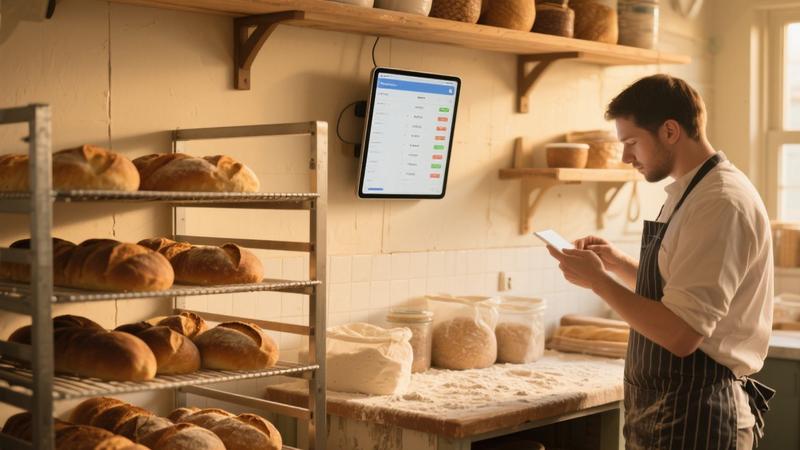
Small business owners wear many hats, and time is their most precious resource. AI automation tools can handle repetitive tasks, streamline operations, and free up hours each week for strategic work. This guide covers the essential AI automation tools that every small business should consider adopting in 2026.
Financial Automation
Managing finances is one of the most time-consuming aspects of running a small business. AI-powered accounting tools like QuickBooks Online and Xero automate invoice generation, expense categorization, and financial reporting. These tools use machine learning to categorize transactions accurately, predict cash flow, and identify unusual patterns that may indicate errors or fraud. For businesses that process a high volume of transactions, financial automation can save dozens of hours per month.
Email and Communication Automation
AI email tools can draft responses, prioritize messages, and manage follow-ups automatically. Gmail's AI features can suggest replies, categorize incoming messages, and remind you to follow up on important conversations. For sales teams, tools like HubSpot CRM use AI to score leads, suggest the best time to reach out, and draft personalized outreach emails based on prospect data.
Social Media Automation
Maintaining an active social media presence requires consistent posting and engagement. AI tools like Buffer, Hootsuite, and Later can schedule posts at optimal times, generate caption suggestions, and recommend content ideas based on trending topics in your industry. Some tools can even generate simple graphics and short videos from text descriptions, reducing the creative workload for social media management.
Customer Relationship Management
AI-powered CRM tools help small businesses manage customer relationships more effectively. They can predict which customers are at risk of churning, identify upselling opportunities, and automate personalized follow-up sequences. Tools like Salesforce Essentials and Zoho CRM offer AI features at price points accessible to small businesses.
Implementation Strategy
Start by identifying the tasks that consume the most time in your business. Prioritize automation opportunities based on time savings and implementation difficulty. Begin with one or two tools, master them, and then expand. Most automation tools offer free trials, so take advantage of these to test before committing.
Conclusion
AI automation is no longer a luxury for large corporations. Affordable, user-friendly tools are available that can transform how small businesses operate. By automating repetitive tasks, small business owners can focus their time and energy on growth, innovation, and serving their customers better.