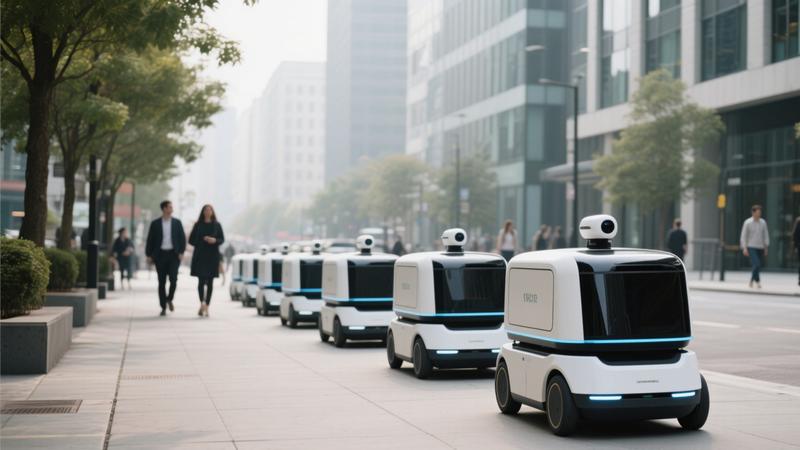
AI agents represent the next major evolution in artificial intelligence. Unlike traditional AI tools that respond to individual prompts, AI agents can plan multi-step tasks, use tools, browse the web, and take actions autonomously to accomplish complex goals. In 2026, AI agents are moving from research labs to real-world applications, promising to transform how we work with AI.
What Are AI Agents?
An AI agent is a system that uses a large language model as its reasoning engine, combined with the ability to use external tools and take actions in the real world. Unlike a chatbot that can only generate text, an AI agent can search the web, run code, interact with APIs, manage files, and make decisions about which actions to take based on its goals. The key distinction is autonomy: AI agents can operate independently over extended periods, making decisions and taking actions without constant human guidance.
Leading AI Agent Platforms
OpenAI Operator
OpenAI's Operator is one of the most advanced AI agent systems available to the public. It can browse the web, fill out forms, make purchases, and complete multi-step tasks on websites. Operator demonstrates the potential for AI agents to handle practical, real-world tasks that previously required human attention. While still in development, it represents a significant step toward truly autonomous AI assistants.
Claude Computer Use
Anthropic's Claude can now use computers in ways that mimic human interaction. It can view screens, move cursors, click buttons, and type text to interact with software applications. This capability allows Claude to perform tasks across any software application, not just those with dedicated APIs. For business workflows that involve multiple software tools, this universal interaction capability is particularly valuable.
AutoGPT and BabyAGI
Open-source projects like AutoGPT and BabyAGI pioneered the concept of autonomous AI agents. These frameworks allow users to define goals, and the AI agent independently plans and executes the steps needed to achieve them. While these early implementations sometimes struggled with reliability, they demonstrated the potential of autonomous AI and inspired the current wave of commercial agent platforms.
Real-World Applications
AI agents are being deployed in customer service (handling complex support tickets end-to-end), software development (autonomously writing, testing, and deploying code), research (conducting multi-step research projects), and personal productivity (managing schedules, booking appointments, and coordinating tasks across multiple applications).
Challenges and Risks
AI agents raise important questions about reliability, accountability, and safety. An agent that takes actions autonomously can make mistakes with real consequences. Ensuring that agents operate within defined boundaries, can be monitored effectively, and can be stopped when necessary are critical challenges that the industry is actively working to address.
Conclusion
AI agents represent a paradigm shift in how we interact with artificial intelligence. By giving AI the ability to plan, reason, and act autonomously, we are moving from a model where humans guide every AI interaction to one where AI can independently accomplish complex tasks. While challenges remain, the potential for AI agents to transform knowledge work is enormous.